The Importance of keyword research, in today’s rapidly evolving digital marketing landscape, knowing your audience is essential for achieving success. What really comes down to the question is: What are people searching on the web? This is why keyword research exists. A strong digital strategy in SEO, content, and advertising begins with keyword research. Without keyword research, even the most beautifully designed sites will get very few visitors. This blog will delve into the importance of keyword research, what it is, the tools you can use to do keyword research, and how to strategically deploy keyword research to increase traffic and conversion.

1. What Is Keyword Research?
The keyword research means looking for, exploring, and finding the words and phrases that people type into the search engines when inquiring about information, products, or services. Keywords vary depending on the intention, location, device, etc. Practicing keyword research will help marketers identify the interests of their target audiences, understand the frequency of searching certain words, and determine how competitive certain words are. Searched and found how competitive certain words are. This information then creates content, improves SEO, and helps with strategy in terms of advertising. It is not only It’s not just about catching trendy terms, it’s about understanding what each search capture means for the user intent . If you connect with best digital marketing expert in Thrissur.
2. Here’s Why Keyword Research Is Vital in Digital Marketing
a. Improves SEO Performance
The importance of keyword research in SEO cannot be overstated. Engines such as Google rank content according to the relevance to the queries made by users. When your titles, headings, URLs, and content are focused on the right keywords, you are more likely to show up on the first page of people’s searches.
b. Drives Targeted Traffic
Well-researched keywords will draw users who are searching for exactly what you are offering. Which equals more qualified traffic, more user engagement, and a higher chance of conversion. For instance, a broad keyword like “shoes” might generate random visitors, whereas “best running shoes for flat feet” brings those with a specific requirement.
c. Enhances Content Strategy
The importance of Keyword research is identifying what your audience has an interest in and what they’re asking about. And so you can then produce relevant, valuable content — like blog posts, videos, and infographics — that your audience is busy searching for.
d. Exhausts Paid Campaigns ROI Advertising presented in a paid setup.
They put too much media into people’s faces, meaning to low chances of allowing the same ad back. This highlights the importance of keyword research in achieving a high return on investment (ROI). It makes sure that your target audience sees your advertisements at the optimal time.
e. Supports Competitor Analysis
The importance of keyword research is notable in examining your competitors. You can use tools to determine your competitors‘ ranking keywords so that you can identify gaps, opportunities, and points where you can surpass them.
3. Tools for Keyword Research

To understand how importance of keyword research, you need the proper tools. Here are some of the best:
* Google Keyword Planner – It’s a good tool to find ideas for keywords and their search volume. It is beginner-friendly and advertiser-friendly
.* “SEMrush” is A paid tool that provides you with Keyword suggestions, the level of competition, and it also compares the domain.
* Ahrefs – Fantastic tool for research on your competitors and gauging keyword difficulty.
* Ubersuggest – A user-friendly tool that provides keyword suggestions, volume, and SEO stats
* AnswerThePublic – See the questions that people type in, related to your keyword.
* Moz Keyword Explorer – recommends with monthly search volume and keyword difficulty. With these tools, you can analyze keyword performance, including search volume, keyword difficulty, cost per click (CPC), and potential keyword alternatives. Rotate through to make well-informed choices. These resources will assist you with not just which keywords to target, but also the importance of keyword research is essential for every phase of your online strategy.
4. Keyword Types and Search Intent.
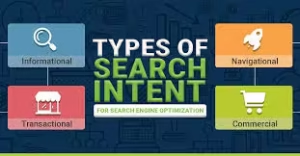
Knowing the importance of keyword research involves awareness of the types of keywords and their purpose:
* Short-tail keywords: Generic terms (like “laptops”) with lots of search volume and very high competition.
* “Compared to broad keywords, long-tail phrases- such as’ best laptops for video editing under$ 1000′- are more targeted and usually less competitive.”
*Navigational – Those looking for a direct site/brand.
* Informational keywords = Information-based keywords. Users are searching for information (e.g., “how to do keyword research”)
*Transactional KWs – Shows commercial intent (eg, “buy SEO software online”).
By including keywords at various stages of the buying process, you can leverage the importance of keyword research to drive users from awareness to purchase.
5. keyword research mistakes to avoid – share this article on Facebook, Football, and keyword research – they don’t have that much in common at first sight, right?
Here are some of the mistakes you can avoid to have a better keyword strategy:
* Not considering search intent – A keyword may be widely searched, but irrelevant to what you are offering.
* Keyword stuffing: Using too many keywords may look spammy and get you penalized on Google.
* Broad, only broad – They are far too competitive, and the conversion rate will be low.
* Neglecting your keyword strategy -Just like the weather, what’s hot in keywords changes over time.
* Failing to analyse your competitors – You can fail to discover what keywords your competitors are easily ranking for.
6. How to Do Keyword Research: Best Practices How to Strategically Apply Keyword Research
After collecting all of your keywords, it’s time to put them to work:
* Onsite SEO – Include keywords in meta tags, headers, alt text, and the body of content.
*Content Marketing – Build a keyword cluster strategy for blogs and guides.
– PPC Campaigns – Bucket keywords based on ad intent, and use negative keywords to eliminate traffic that isn’t useful.
– Local SEO – Localized keyword if you cater to an area.
Create a plan for your content calendar based on high-impact keywords and monitor their performance over time via Google Search Console and/or other SEO tools.
Conclusion
To summarize, the importance of keyword research in digital marketing is undeniable. Whether improving your SEO, starting a content strategy, or promoting, it begins with knowing what your audience is looking for. If that’s where you’re starting, then you’re straight up wrong… A smart keyword strategy enables you to communicate in their language, get discovered more effectively in search engines, and bring real people to your site.. By making a habit of spending time on keyword research and being aware of all the trend updates, you build a solid base for the long-term game in the digital field.